

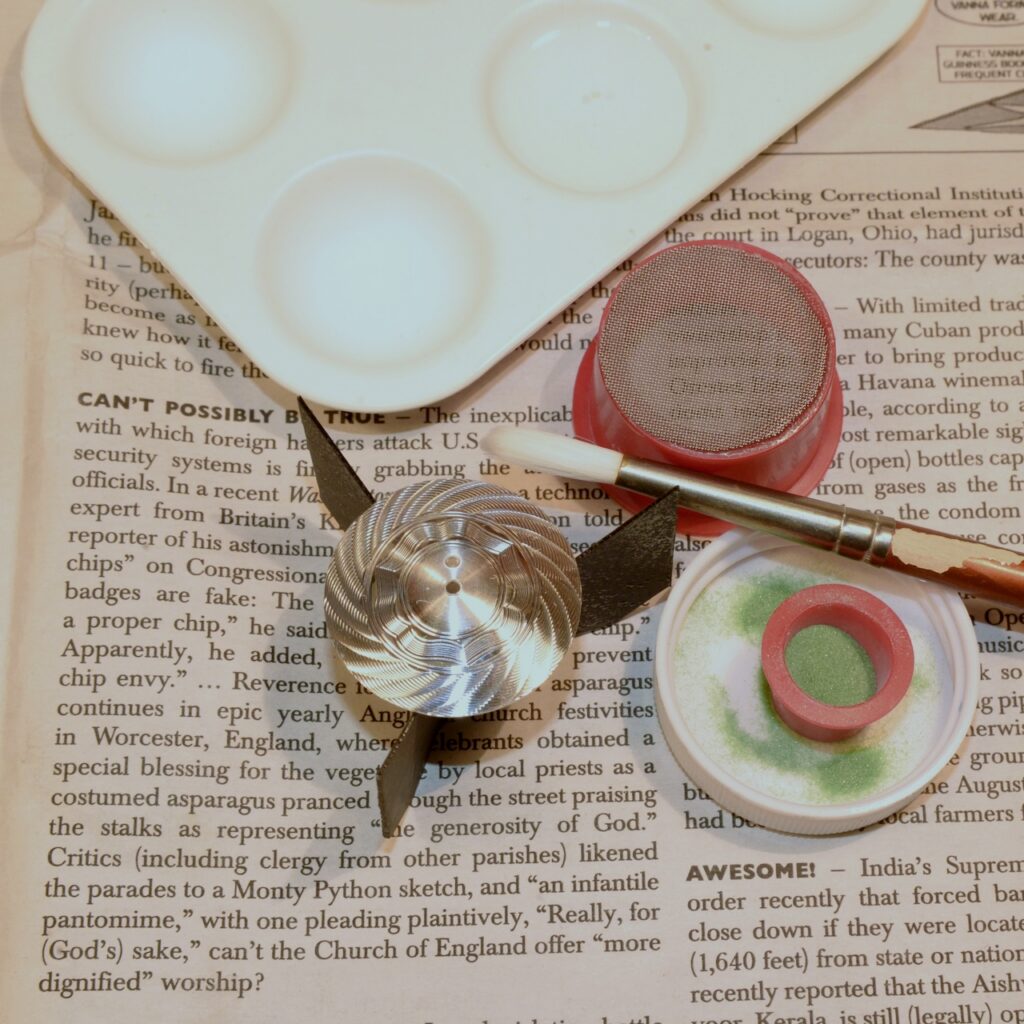
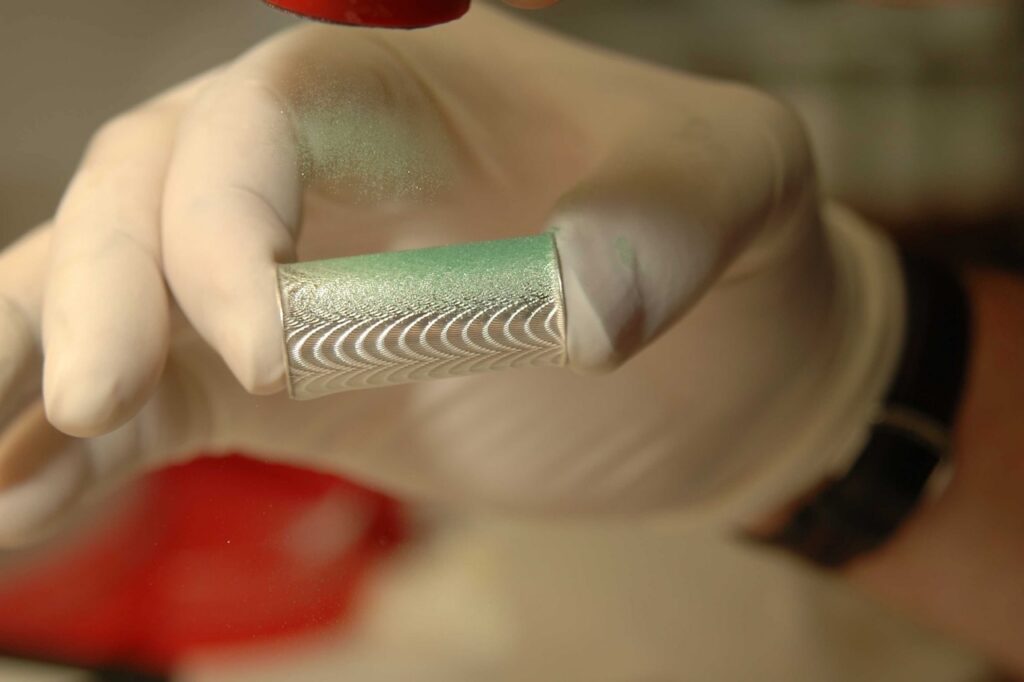
There is a certain technique in jewelry and metalsmithing that can capture the imagination with a vibrant wonder. Truly a distinct art form in its own right, enameling can bring color, depth, and luster to a precious metal piece like nothing else. There is as much wonder to the process as there is to the finished piece. The enamelist paints with glass. Applied to the workpiece in finely ground powder form, the enamel is transformed by the gauntlet of fire into a hard, homogenous shell.
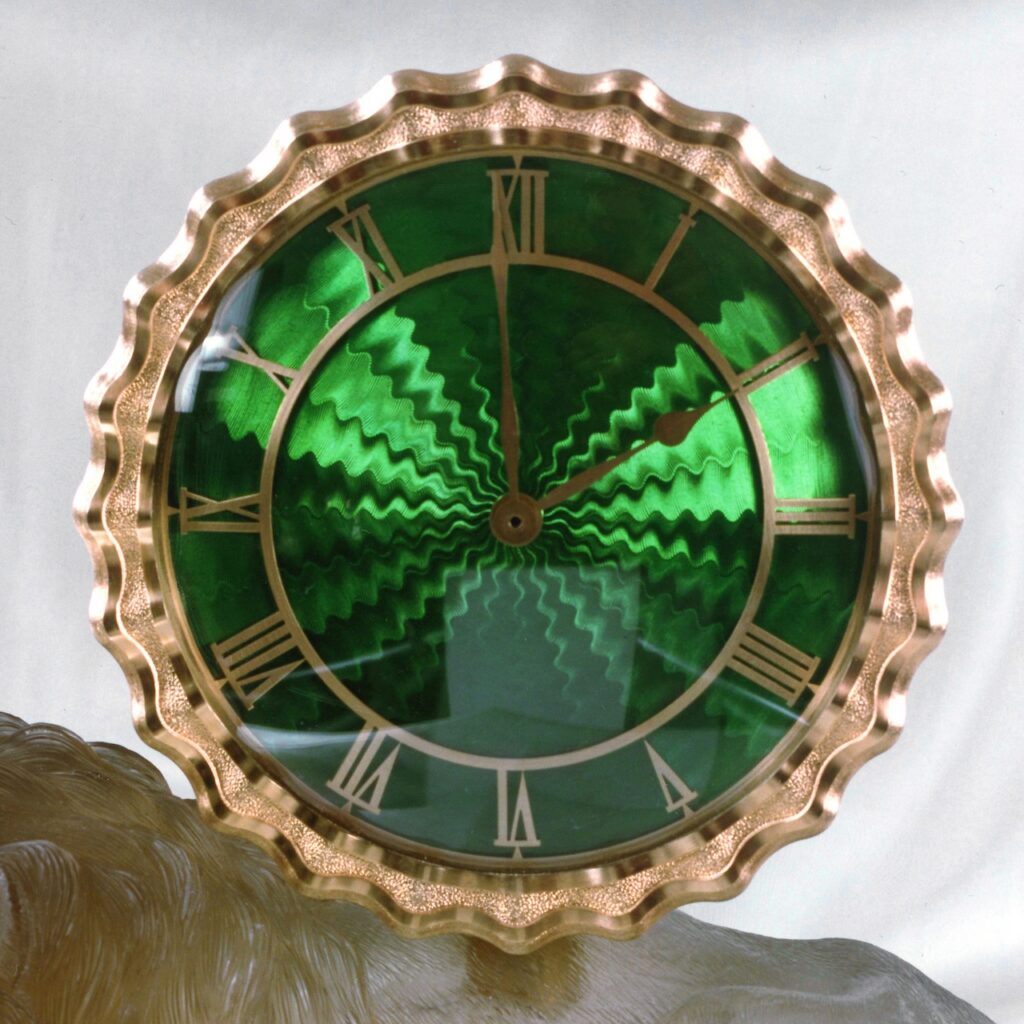
The use of vitreous, or glass, enamel dates back to the ancient world with Egyptian champlevé, the technique of inlaying colored enamels in gold surfaces, among the earliest examples. Over the centuries, the technology and techniques improved and proliferated. From the gold cloisonné work of the Byzantine Empire to the painterly grisaille work of the French Renaissance, enamel has been used to craft wonders. Perhaps the most famous enamel work in the public imagination are the Easter eggs of the Czarist court made by the House of Fabregé, which have inspired craftspeople and revolutionaries alike with their splendid opulence. Vitreous enamel guilloché, or enamel on engine turning, remains in style to this day on the dials of luxury watches.
Despite this long history, enamel work remains somewhat mysterious and intimidating even to the sophisticated craftsperson due to the many factors that determine success, including some beyond their control. Every step of the process, from the selection of materials to the application of enamel and the introduction of heat, is fraught with opportunities for catastrophic failures. Enameling therefore requires some failure as part of the resolute use of the scientific method. Thankfully, formal education allows us to learn from the productive failures of others.
The Plumier Foundation is excited to announce an incredible educational opportunity for the aspiring enamelist.
September 14-18
Taught by Bill Brinker
Bill Brinker has applied the scientific method to enamel work through decades of trial and error. He has generated failures in every conceivable way, from routine tests of enamel supplies to catastrophic failures of important pieces, with each one providing some insight into the materials and process. This experience develops a humble mastery in those willing to persist, and Bill’s successes are evidence of this dynamic. His portfolio includes on some of the true contemporary masterpieces of the craft, such as his enamel work for Zadora.Lorem ipsum dolor sit amet, consectetur adipiscing elit. Ut elit tellus, luctus nec ullamcorper mattis, pulvinar dapibus leo.
Learning directly from Bill offers the enamel student a rare opportunity to mine a rich vein of success forged by years of heat and pressure. Bill’s generosity with his hard earned knowledge will provide a coherent scientific model of the process that resolves conflicts in the existing literature.Lorem ipsum dolor sit amet, consectetur adipiscing elit. Ut elit tellus, luctus nec ullamcorper mattis, pulvinar dapibus leo.
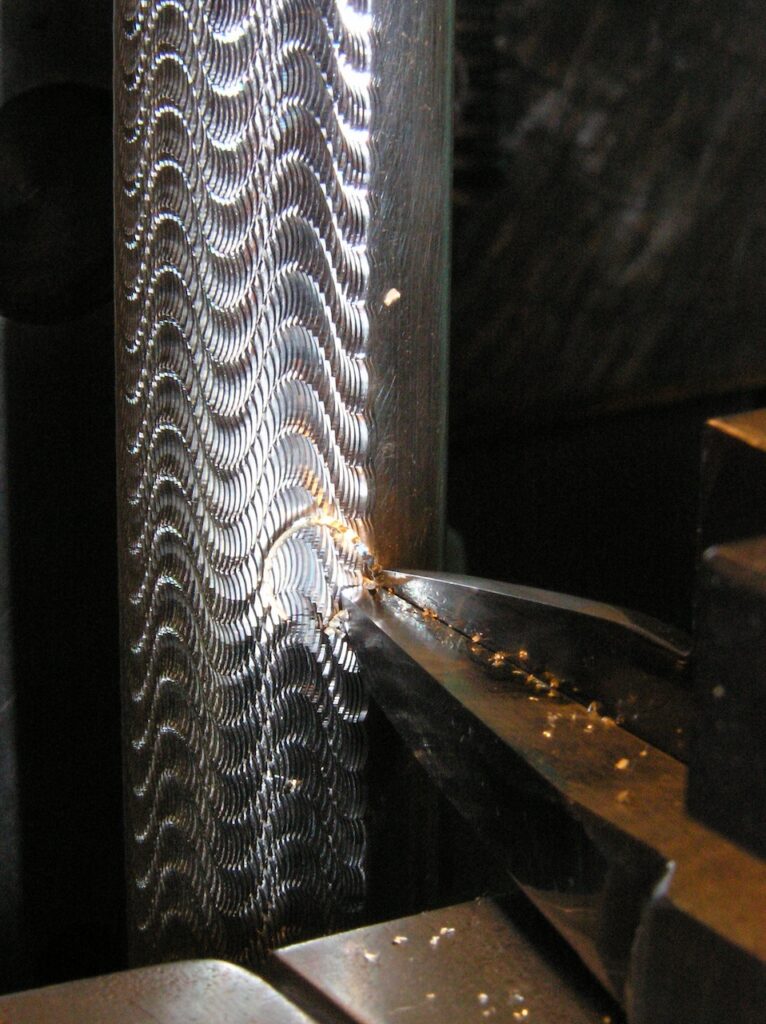
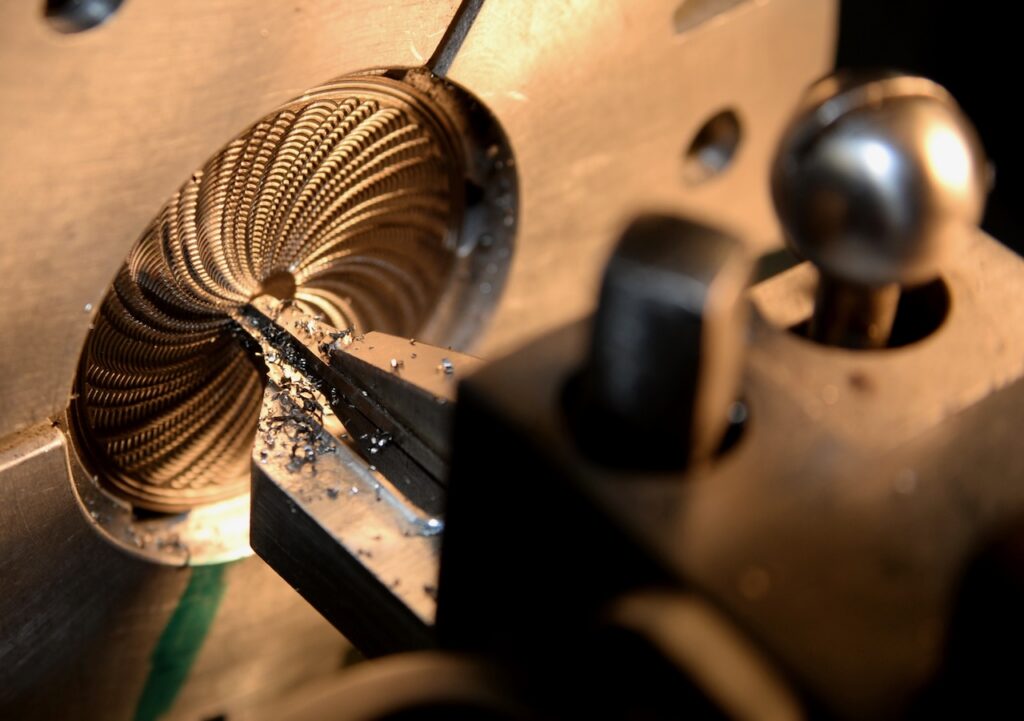
This will be a five day class densely packed with information. It will cover some of the history of the art form and the material science of vitreous enamels. This is a process based class, not a project driven experience. The central format will be simple guilloché discs of a single color. We will start with the selection of sheet metal and go through the complete process of prepping blanks, engine turning, doming, handling, prepping, and application of vitreous enamel powder. Enamel does have a shelf life, so we will learn what to look out for and how to properly test an enamel before committing it to a finished piece. We will then learn the safe and proper methods of firing enamel including tips and tricks to avoid failures. A finished piece requires build up of multiple layers in several firings, and also must sometimes be ground and polished to achieve the final desired finish. Bill’s instruction will guide us past the hidden pitfalls of the process.
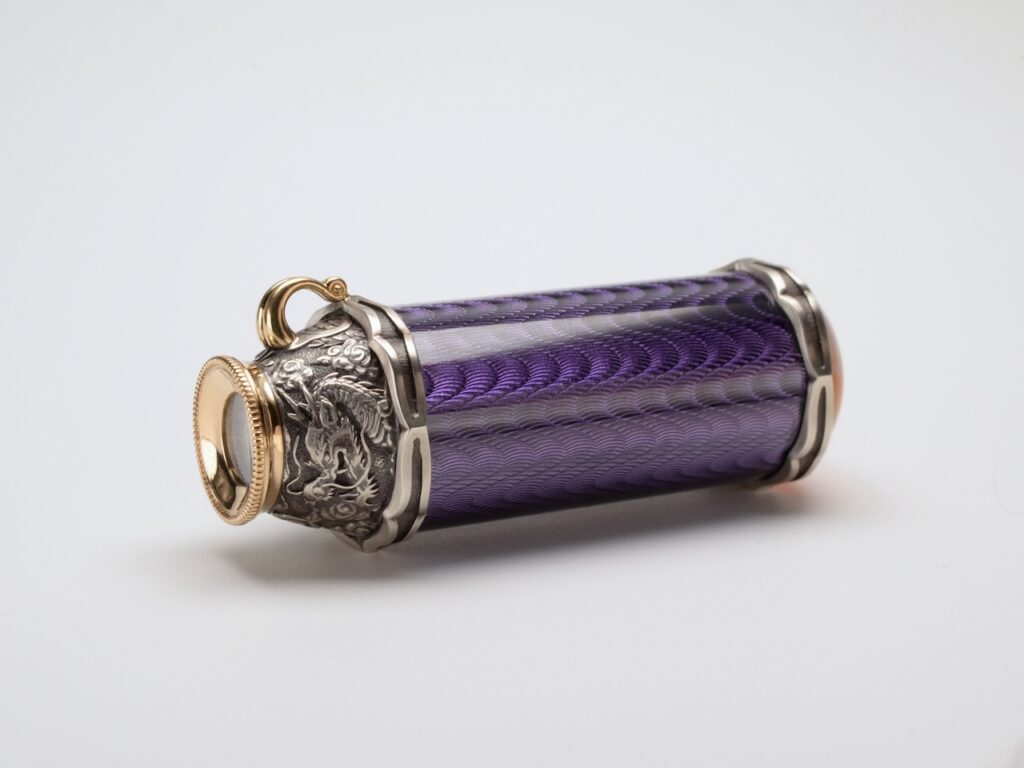
If time allows, we may also get into enameling on cylinders, which will be deep-drawn and engine turned.
Success in this class will require some experience in either engine turning or jewelry making. Familiarity with finishing soft metals will be advantageous.
The class will be held at the Plumier workshop in Saltsburg, PA, Monday September 14 through Friday 18, 9am to 6pm each day. Tuition for this class is $2,600 for members and $2,750 for nonmembers. This covers all materials including silver, as well as lunch each day. There will be additional shop time on Saturday morning to finish up projects.
Register today by emailing Jackie at jackie@plumier.org
Accommodations for the week in Saltsburg are available through Plumier. Rooms range in price from $100-$150 a night for members and $125-$175 a night for nonmembers. Email David at david@plumier.org for more information and instructions on how to make a reservation.
Take advantage of the discount by becoming a member before you register.
Are you sure you want to pause this subscription?