
It is said that civilization was born on the anvil. Modernity was born on the lathe. The spindle of the lathe is the origin of all precision. The navigational instruments of the age of exploration, the machines of the industrial revolution, the system controls of the space race, and the microchips of the digital age can all trace their origin back to the lathe.
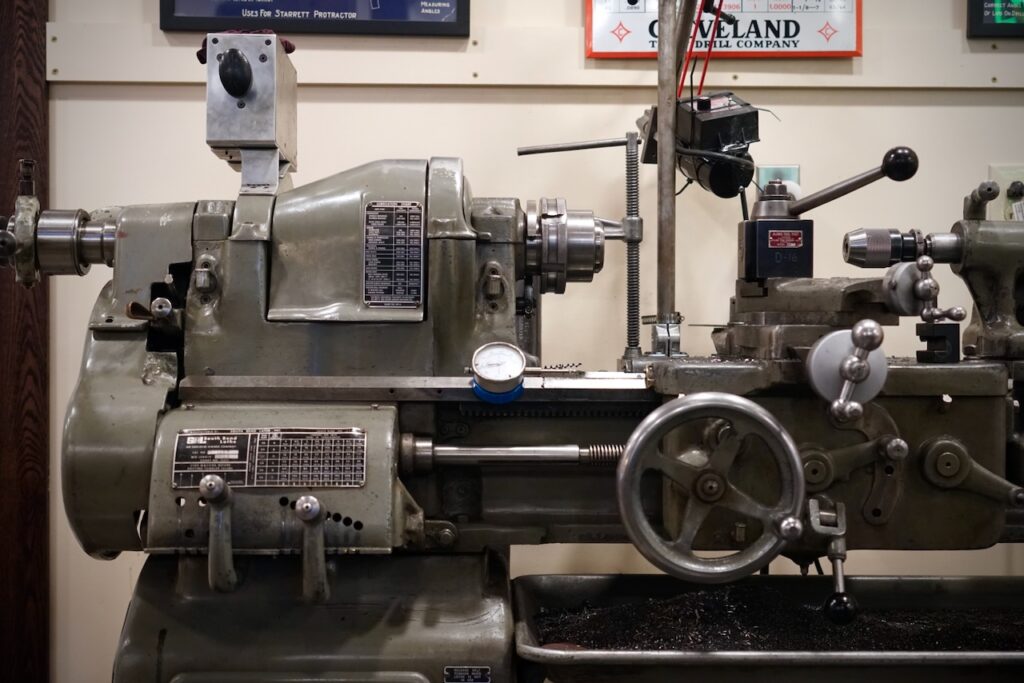
To operate a lathe is to adopt its axis of rotation as your point of reference. There is a reason we describe something running concentrically to a spindle as running “true.” For a machinist, true to the lathe spindle is like level to a carpenter. All other work is done in relation to that reference point. Since all machines have a spindle and all spindles are made on a lathe, the lathe is the only machine that can recreate itself, making it the king of machine tools.
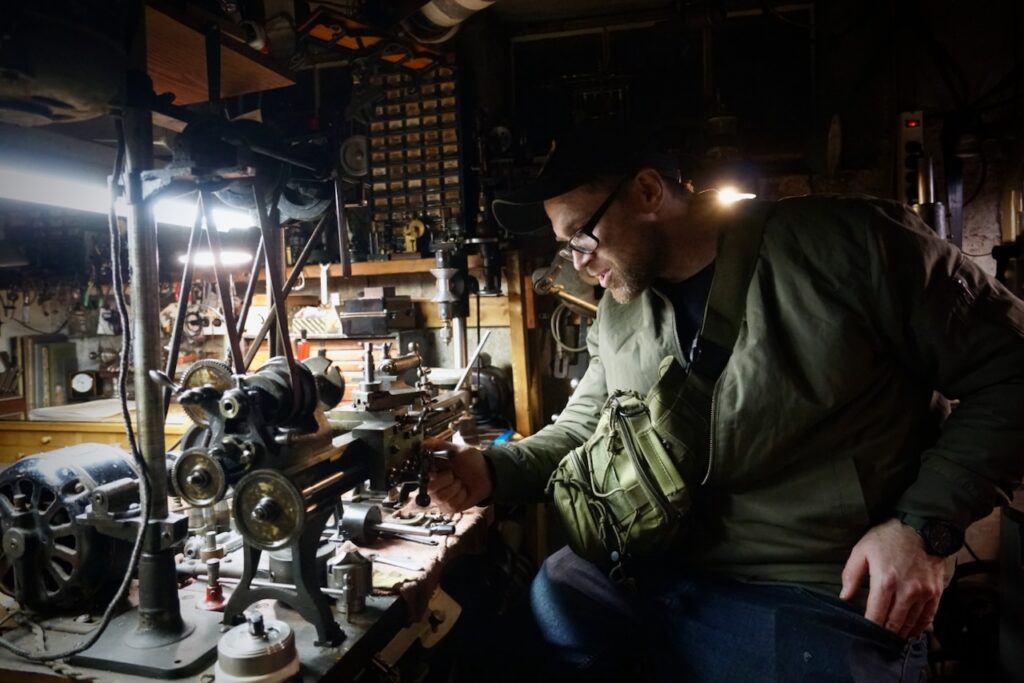
Craftspeople of all disciplines can benefit from the adoption of the lathe and basic machinist skills. And one does not necessarily have to aspire to be a “machinist” to make good use of machine tools. There isn’t a craft or trade that would not benefit from use of a metal lathe. Even if you do not work in metals directly, there is no limit of the utility of being able to make custom parts, hardware, tooling, fixtures, and jigs to precise tolerances. The best jewelers in the world use machine tools, yet machine tools are not taught in any jewelry program. Blacksmiths should be able to make any tool they need, but how limited are they if they can’t cut a thread? What can a watchmaker do without machine tools and the skill to use them if they can’t get the parts they need?
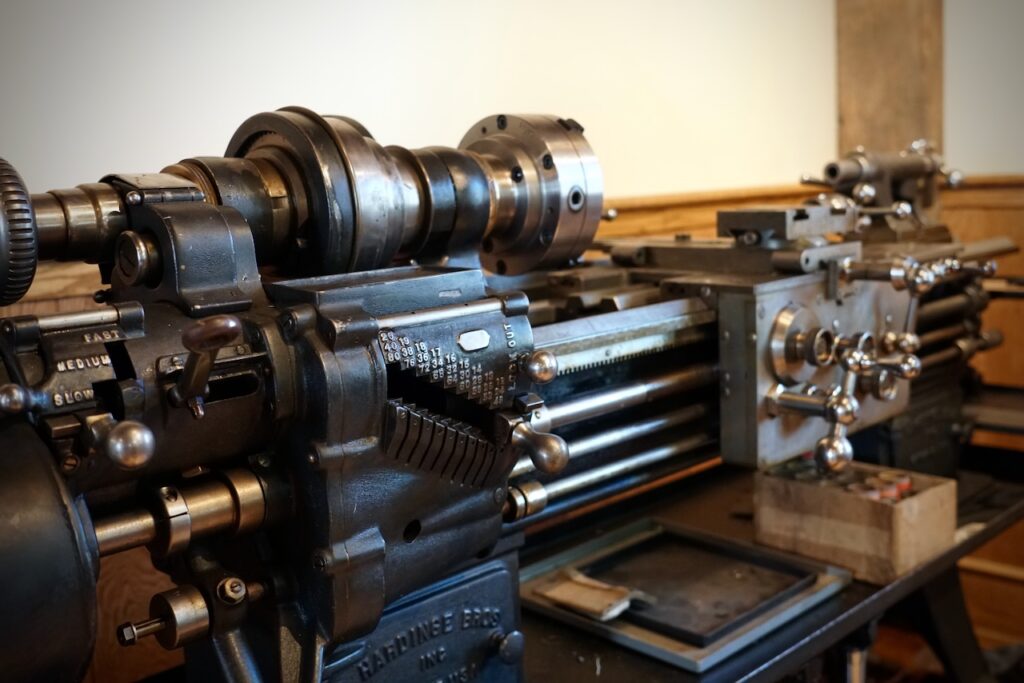
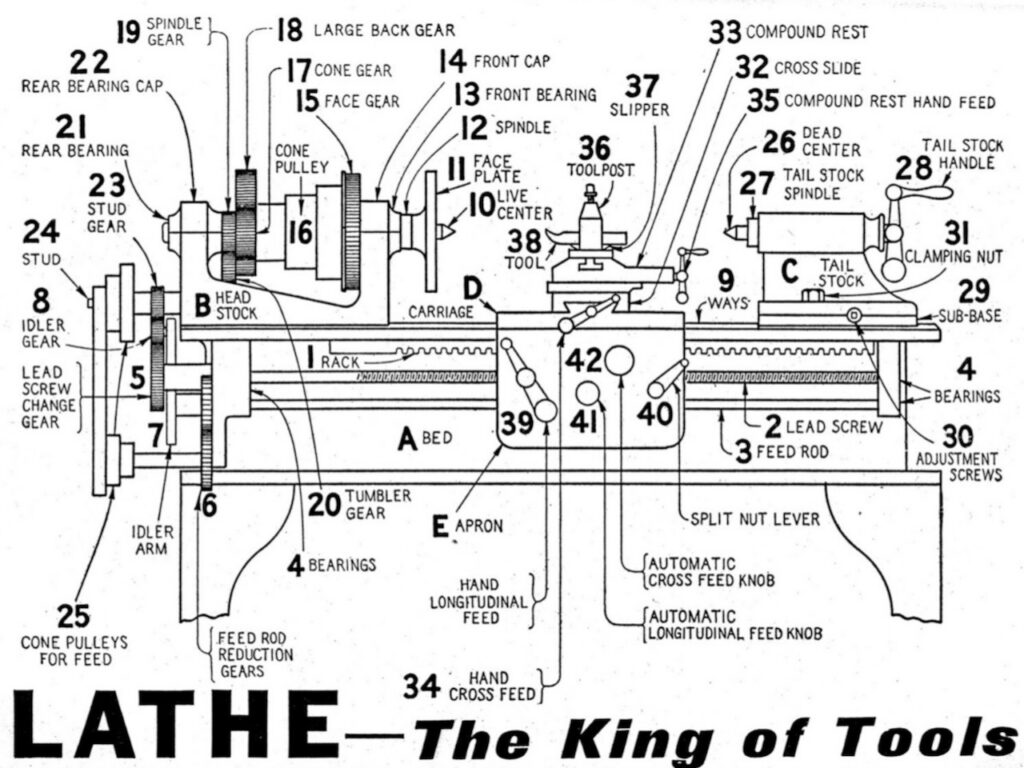
The Plumier Foundation strongly champions the use of machine tools in all craft. We recognize that getting started down the road of lathes and mills can be intimidating, which is why we are offering a new class.
Basic Machine Shop Practices
July 13-17
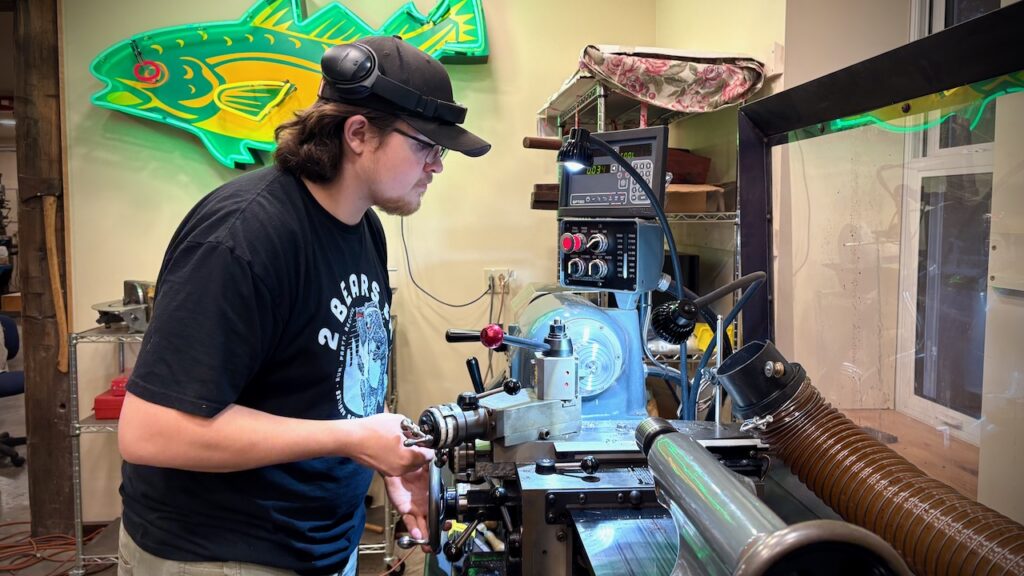
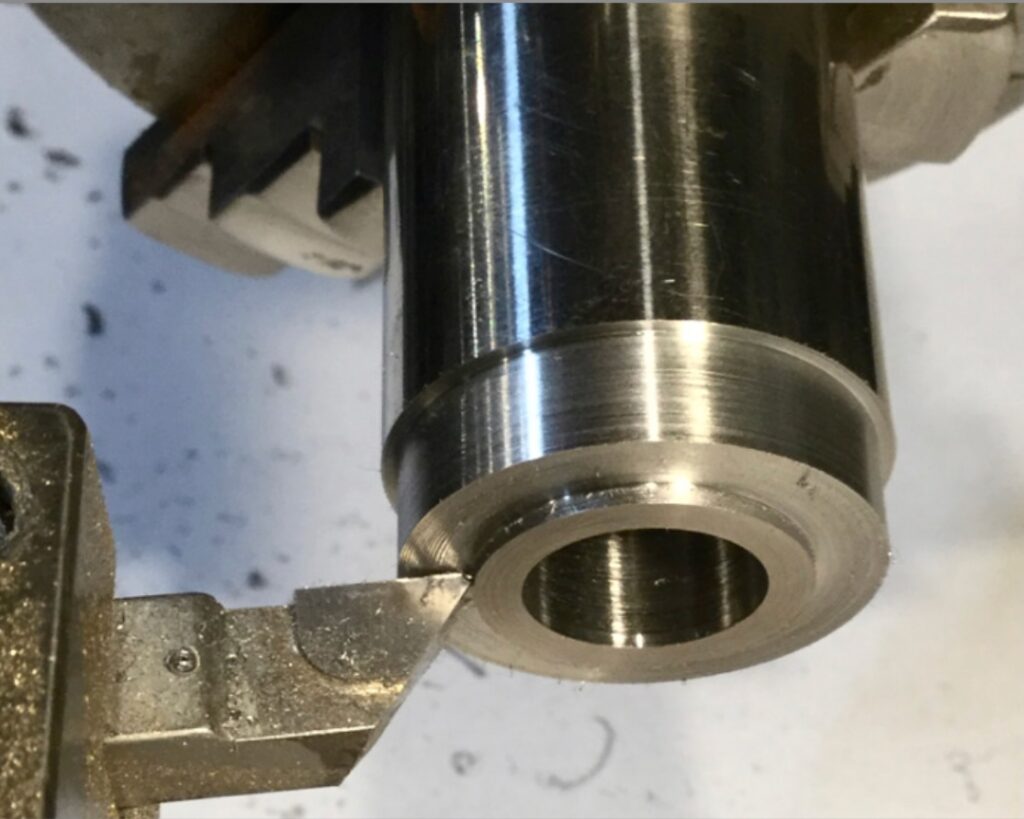
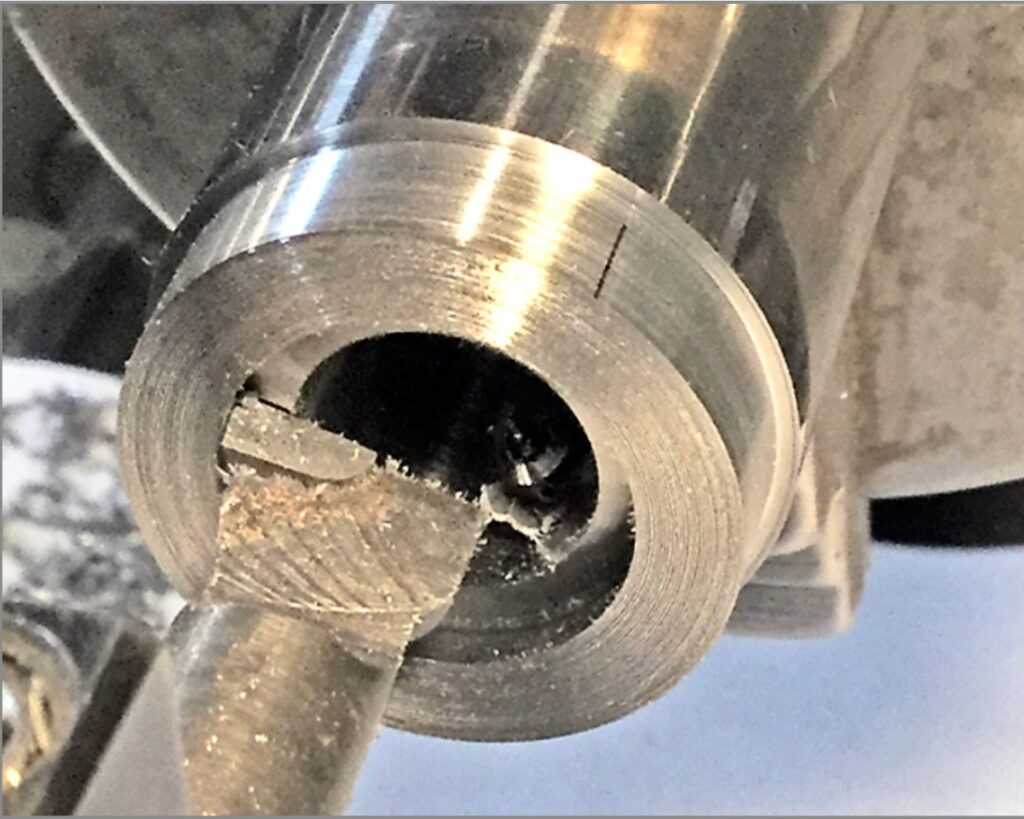
This 5 day class will cover the basic operations of the typical metal lathe, or engine lathe. This include turning, boring, parting, and single-point threading. We will also cover different work hold options from collets to dialing in 4-jaw chucks. Students will also learn the proper use of the tailstock for supporting the work piece and drilling operations. We will also go over the different types of lathes and make recommendations for students who are working on building their own workshop to best meet their particular needs.
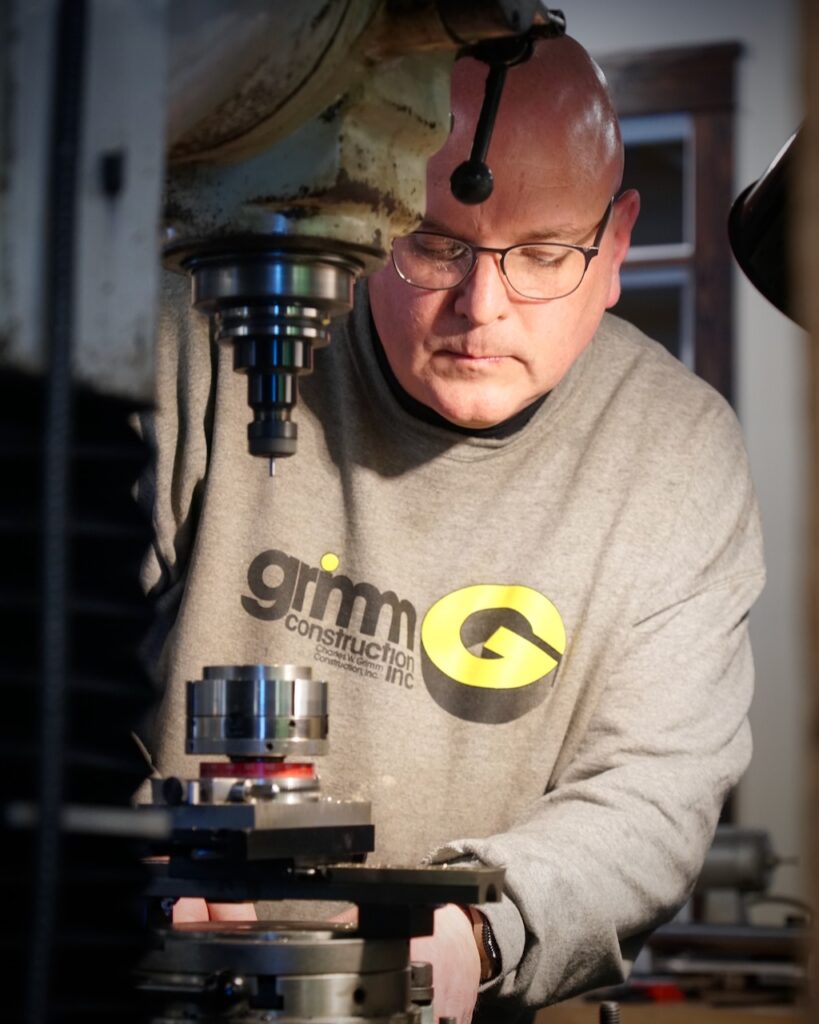
While the lathe is the king of tools, the milling machine is its rook. In its basic form, the mill is an inversion of the lathe where the cutter rotates in a rigid spindle instead of the work piece, which can be precisely position and introduced to the cutting tool. We will cover basic operations of a typical vertical mill including proper setup and tramming in the vise and dialing in the work piece. We will perform basic milling with end mills as well as hole locating and drilling and taping. The provided exercises will introduce students to the capabilities of both machines and provide an understanding of how they are used together.
Machining skills are useless if you can’t make parts to needed tolerances. Students will make detailed drawing of their projects that provide dimensions and call out all facets and details. Order of operations and chucking sequences are crucial considerations and require a detailed plan. Of course the drawing won’t do much good if you can’t measure your part properly. We will cover the proper use of precision measuring tools essential for making accurate parts, partially the proper use of micrometers.
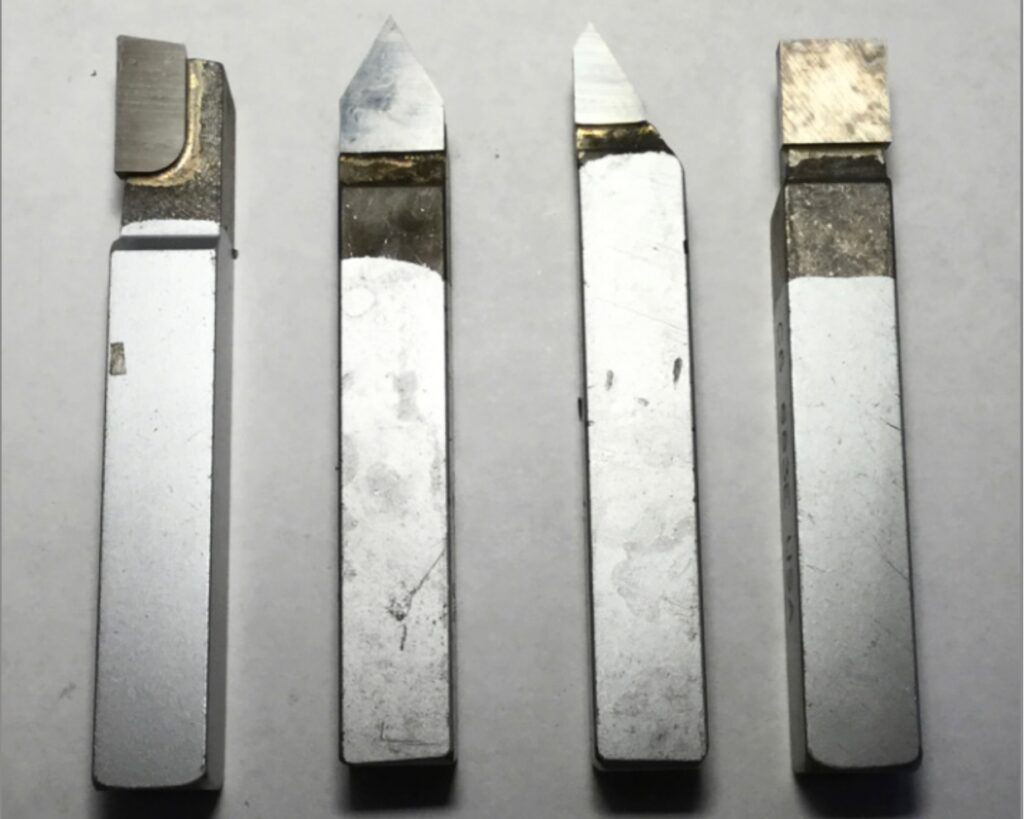
Many beginner machinists make the mistake of relying entirely on carbide insert tooling for lathe cutting tools—that is if they can afford it. Cost aside, this is a mistake. The ability to grind your own cutting tools out of affordable and durable high speed steel, along with beautifully cutting brazed carbide, is an indispensable skill. Grinding your own tools teaches proper cutter geometry and gives better insight into different materials the forces at play in lathe work. It also opens up the world of custom profiles, an essential skill for complex turning and metal arts. Students will grind stock into cutters and get a feel of how a properly ground cutter should perform. We will also touch on the metallurgy of different steels and what to choose for certain applications.
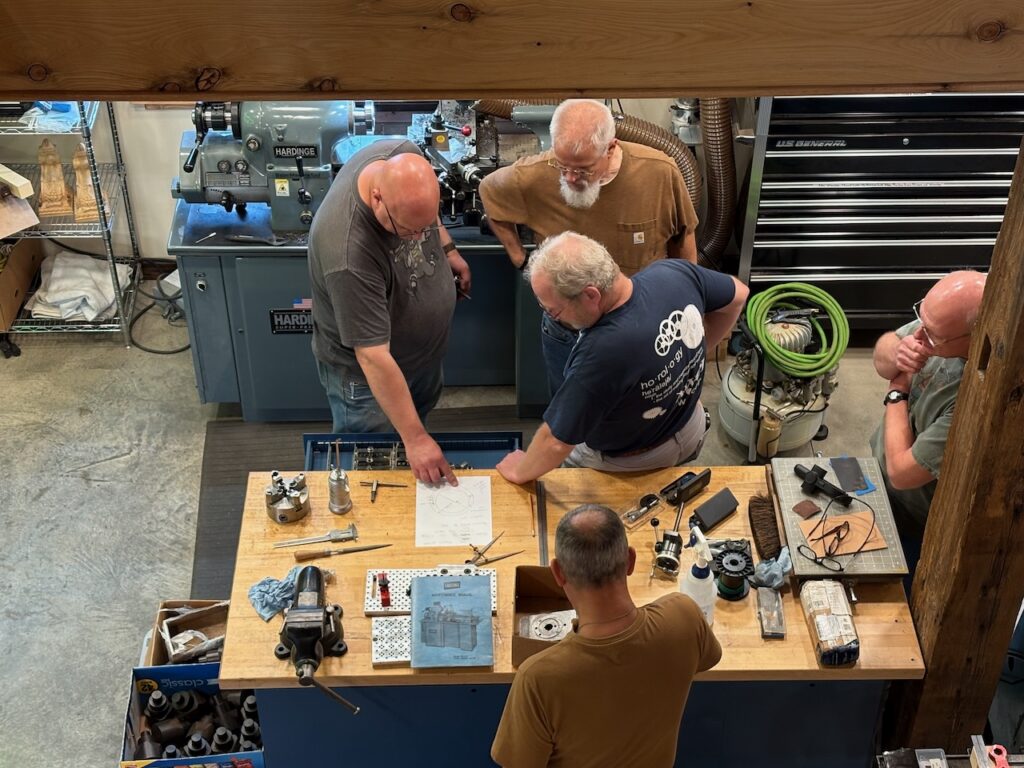
The class will be taught by David and Christian Lindow, joined by guest instructor Daniel Ravizza. Daniel, a graduate of the Plumier Internship Program, teaches machining at Pennsylvania College of Technology in Williamsport, PA. Penn Tech has incredible Machine Tool Technology AAS and Manufacturing Engineering Technology BS degree programs that take complete beginners and turn them into professional machinists and manufacturing engineers. Daniel will be lending his expertise from teaching in these programs to this class at Plumier.
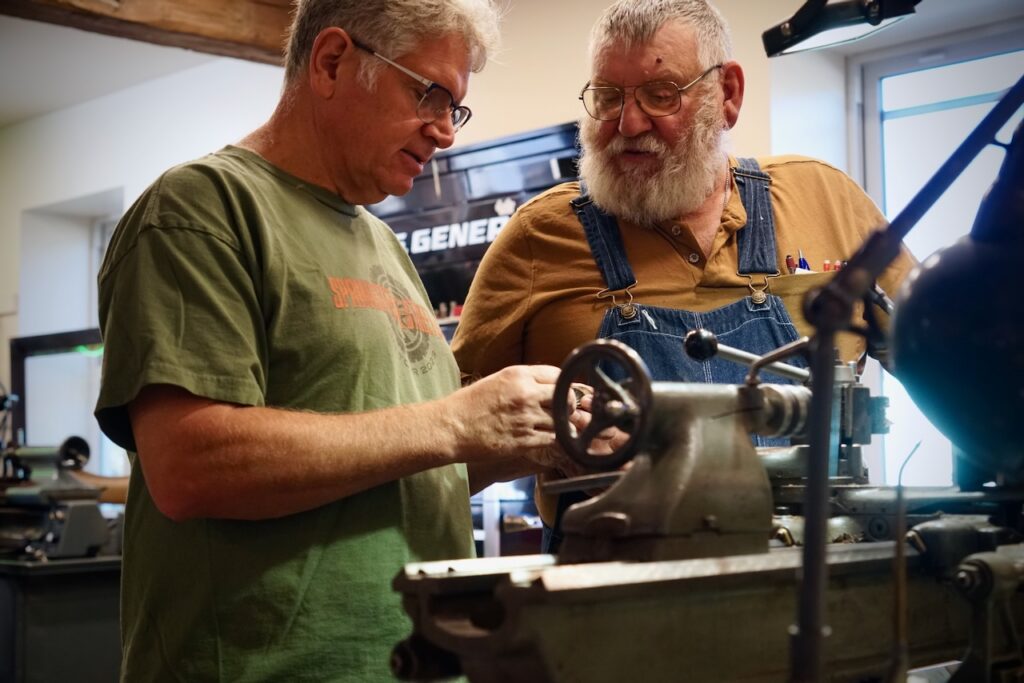
The class will be held at the Plumier workshop in Saltsburg, PA, July 13-17 from 9am to 6pm each day. Tuition is $2,000 for members and $2,150 for nonmembers. This includes materials and lunches. Register today by emailing Jackie at jackie@plumier.org.
Students should bring with them a notebook, pencil, and small flashlight. Safety glasses are required but will be provided if you don’t bring your own. You may also choose to bring your own metrology tools, especially if you have a micrometer and you want to check its calibration and get more comfortable using it.
Accommodations in Saltsburg for the week are available through Plumier. Rooms range in price from $100-$150 a night for member and $125-$175 a night for nonmembers. Email David at david@plumier.org for more information and instructions on how to make a reservation.
Take advantage of these discounts by becoming a member before you register.